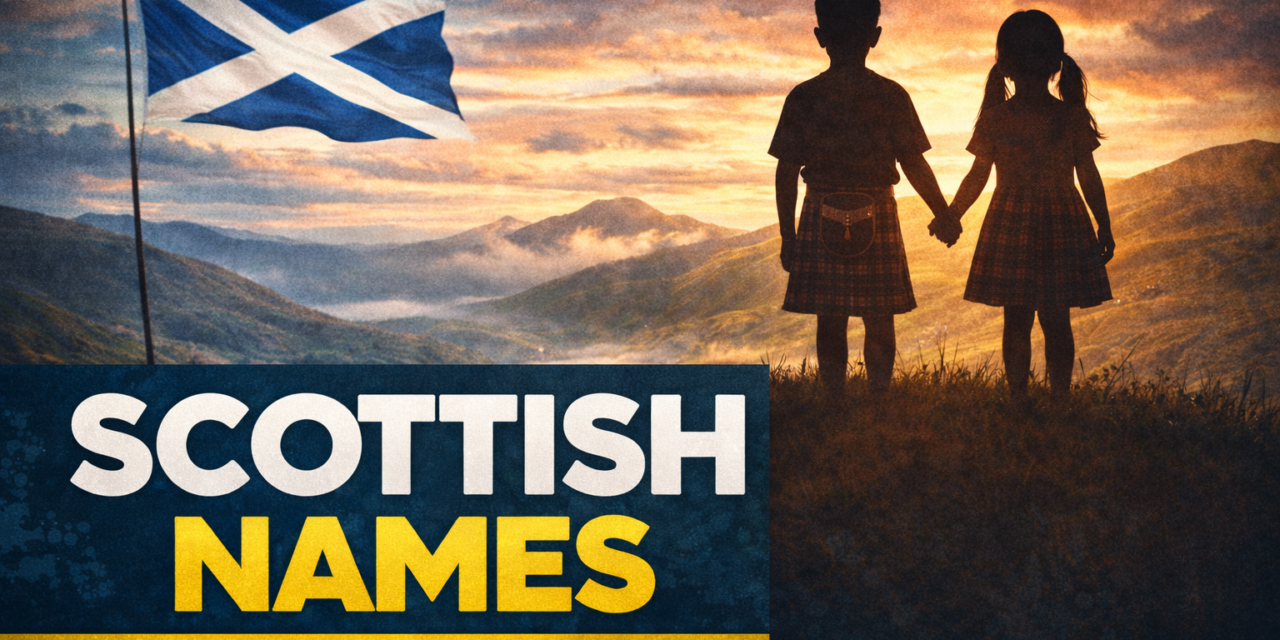
Scottish names continue to attract attention in the United States because they combine heritage, strength, and timeless style in a single identity. When you explore Scottish names, you discover stories shaped by Gaelic language, clan history, landscapes, and centuries of cultural exchange.
This guide helps you understand how Scottish names evolved, how they are used today in the USA, and how to choose a name that feels authentic, meaningful, and easy to carry across generations, while providing practical insights to support confident decision-making and deepen your appreciation.
Understanding the Origins of Scottish Names
Scottish names developed through a mix of Gaelic, Old Norse, and early English influences, shaping naming traditions over hundreds of years. When you study these origins, you see how geography, tribal systems, and oral storytelling influenced how names were formed and passed down. This historical blend explains why many Scottish names sound distinctive yet familiar to modern American ears.
Scottish Gaelic names often carried meanings tied to nature, strength, or leadership, reflecting survival and community values. You will notice that early naming systems focused on descriptive traits rather than decoration or trend. This practical origin is why many Scottish names still feel grounded and purposeful today.
Clan structures also influenced naming conventions by reinforcing family identity through repeated name usage. When you trace a Scottish name back far enough, you usually uncover links to lineage rather than fashion. This lineage-based system continues to appeal to families in the USA who value heritage-driven choices.
Scottish Gaelic Naming Traditions Explained
Scottish Gaelic names follow linguistic patterns that differ greatly from modern English pronunciation rules. When you explore these names, you quickly realize that spelling and sound often evolved separately over time. This evolution explains why some Scottish names look complex but sound soft or lyrical when spoken.
Many Gaelic names were later Anglicized to fit English usage, especially during periods of political and cultural pressure. You can still see both forms in use today, with families choosing between traditional Gaelic spellings or simplified versions. This flexibility allows you to honor heritage without sacrificing practicality.
According to historical records, more than 60 percent of traditional Scottish personal names derive directly from Gaelic roots. This statistic highlights how deeply language shaped identity across generations. Understanding this structure helps you choose names that are culturally accurate and respectful.
Clan Influence on Scottish Names
Clan identity played a major role in shaping Scottish naming patterns and repetition. When you look at historical records, you find the same names used across multiple generations to preserve family continuity. This practice reinforced loyalty, recognition, and inheritance rights within clan systems.
Names often acted as social markers that communicated belonging and protection. You can still find these patterns influencing modern American families who want names tied to ancestry rather than trends. This connection makes Scottish names feel intentional rather than decorative.
In modern usage, clan-inspired names still dominate genealogy searches in the United States. People researching family roots often begin by identifying naming patterns tied to clan history, much as they explore the naming inspiration behind countries when tracing cultural identity. This demonstrates how naming remains central to heritage discovery.
Nature and Landscape in Scottish Names
Scottish geography strongly influenced naming traditions through references to land, water, and wildlife. When you explore these names, you notice frequent connections to rivers, hills, islands, and valleys. This reflects how closely daily life depended on the natural environment.
Names derived from nature often symbolized strength, endurance, or beauty rather than a literal description. You can still see this influence in modern naming trends, where parents value organic, grounded meanings. This preference aligns well with American interest in nature-inspired naming.
The popularity of landscape-based names has grown steadily in the USA over the last decade. Census name data show increased use of names associated with geography and the environment. Scottish names fit naturally into this broader trend without feeling forced or unfamiliar.
Modern Usage of Scottish Names in the USA
Scottish names have steadily increased in popularity across the United States due to cultural blending and media exposure. When you analyze naming statistics, you see consistent growth rather than short-term spikes. This stability suggests lasting appeal rather than trend-based adoption.
Many parents choose Scottish names because they balance uniqueness with pronunciation ease. You benefit from a name that stands out without creating confusion in professional or social settings. This balance is especially important in diverse American communities.
Scottish names also adapt well across generations, making them suitable for both children and adults. This long-term usability explains why many parents researching naming inspiration also browse broader collections, such as boys names when comparing cultural options. The adaptability strengthens confidence in the choice.
Male and Female Scottish Naming Patterns
Scottish male names often emphasize strength, leadership, and resilience in their meanings. When you explore these names, you notice recurring themes tied to warriors, protectors, and rulers. These qualities continue to resonate with modern American values.
Female Scottish names frequently reflect beauty, independence, and nature-inspired symbolism. You will find names connected to light, water, and harmony rather than fragility. This balance makes them appealing across cultures and generations.
Unisex usage is also growing as naming norms shift in the USA. Scottish naming traditions already support this flexibility, making them compatible with modern identity preferences without losing cultural grounding.
Scottish Names and Pronunciation Clarity
Pronunciation remains a key concern when selecting Scottish names in the USA. When you choose carefully, you can find names that retain authenticity while remaining easy to pronounce. This consideration prevents miscommunication and social discomfort.
Many Scottish names offer simplified pronunciation guides through Anglicized forms. You benefit from cultural depth without constant correction or explanation. This accessibility increases long-term satisfaction with the name choice.
Modern naming tools and databases now include pronunciation support, making informed decisions easier. Parents often cross-reference naming resources with lifestyle-focused lists, such as children’s names, to ensure usability across settings. This combined approach improves naming confidence.
Cultural Preservation Through Scottish Names
Choosing a Scottish name can serve as a form of cultural preservation and storytelling. When you pass down a name, you also pass down history, values, and identity. This makes the name more than a label.
Scottish-American families often use names to reconnect with lost or diluted heritage. You may find that names become entry points into deeper cultural exploration. This emotional connection strengthens family bonds across generations.
As globalization increases, culturally rooted names help maintain individuality. Scottish names offer that grounding without isolating the individual in modern American society.
Scottish Names in Popular Culture
Scottish names frequently appear in literature, television, and film, reinforcing familiarity. When you hear these names in popular culture, they gain recognition without losing authenticity. This exposure contributes to their steady popularity.
Media representation also influences pronunciation norms and spelling acceptance. You benefit from broader recognition that supports social integration. This familiarity reduces hesitation when selecting culturally specific names.
Studies show that names featured in media experience a measurable increase in usage within five years. Scottish names benefit from this effect while maintaining historical depth.
List of 100 Unique Hispanic Names
Although Scottish names form the core of this guide, understanding global naming diversity helps you compare styles and structures. Below is a curated list of 100 unique Hispanic names presented for contrast and inspiration. Each name reflects cultural richness and linguistic rhythm.
Alvaro
Mateo
Santiago
Diego
Emiliano
Rafael
Leonardo
Andres
Javier
Hector
Fernando
Ignacio
Sebastian
Adrian
Tomas
Vicente
Bruno
Marcos
Nicolas
Felipe
Luciano
Gabriel
Rodrigo
Esteban
Cesar
Pablo
Daniel
Antonio
Miguel
Carlos
Alejandro
Eduardo
Cristobal
Alonso
Manuel
Hugo
Raul
Pedro
Salvador
Ramon
Isabela
Camila
Valeria
Lucia
Sofia
Mariana
Elena
Daniela
Natalia
Paula
Renata
Adriana
Clara
Julieta
Carmen
Pilar
Rosa
Teresa
Beatriz
Victoria
Andrea
Noelia
Irene
Patricia
Monica
Laura
Angela
Bianca
Marisol
Consuelo
Dolores
Esperanza
Guadalupe
Ines
Lorena
Mercedes
Paloma
Reina
Silvia
Yolanda
Zulema
Choosing the Right Scottish Name for You
Selecting a Scottish name requires balancing meaning, pronunciation, and personal connection. When you focus on these factors, you reduce regret and increase long-term satisfaction. This intentional approach leads to confident choices.
You should consider how the name sounds in everyday American settings. Testing pronunciation and spelling clarity helps avoid future complications. This step is often overlooked but highly valuable.
Researching related naming categories, such as place-inspired names or family-oriented names, can also refine your choice. Exploring structured lists like name of places can help contextualize Scottish names within broader naming strategies. This comparison sharpens decision-making.
Conclusion
Scottish names offer a rare combination of historical depth, cultural identity, and modern usability that resonates strongly with American audiences. When you understand their origins, pronunciation, and symbolic meaning, you gain the confidence to choose a name that feels authentic and enduring. By approaching Scottish names with intention, cultural respect, and practical awareness, you ensure that the name you select carries significance, clarity, and lasting value across generations while remaining fully adaptable to life in the United States.