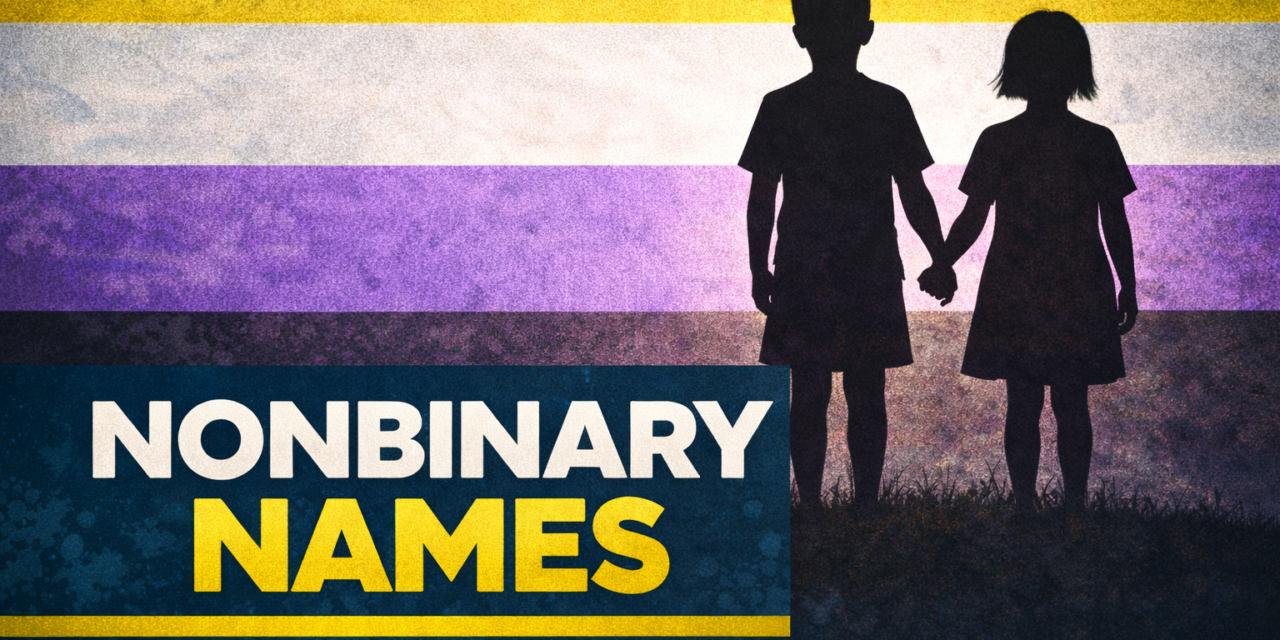
You are searching for nonbinary names because language matters and names shape identity, belonging, and confidence. In the United States, interest in nonbinary names has grown steadily as families, writers, and individuals seek options that move beyond traditional gender labels. You deserve names that feel authentic, culturally respectful, and future ready without forcing stereotypes. This guide helps you understand nonbinary names deeply, explore naming trends, and choose options that align with personal values, heritage, and self expression. As you read on, you will gain clarity, inspiration, and practical direction to select nonbinary names that truly fit real lives and modern realities.
What Nonbinary Names Mean Today
Nonbinary names are names that do not signal a strictly male or female identity, allowing flexibility in how a person expresses themselves. You see these names used by children, adults, creatives, and professionals who want language that reflects inclusivity rather than limitation. In the USA, nonbinary names are increasingly accepted across schools, workplaces, and digital platforms, which makes thoughtful selection even more important.
You should understand that nonbinary names are not a trend built overnight but part of a longer shift toward respecting personal identity. According to recent Social Security data, unisex naming has increased by over 20 percent in the past decade, showing consistent cultural movement. When you choose a nonbinary name, you are often choosing adaptability, respect, and long term relevance.
Why Nonbinary Names Are Growing in Popularity
You notice nonbinary names rising because social awareness and representation have expanded rapidly. Media visibility, legal recognition, and inclusive education have encouraged families to rethink rigid naming traditions. This shift allows you to prioritize meaning, sound, and cultural resonance rather than gender expectations.
In the USA, surveys show that nearly 1 in 5 parents now consider gender neutral naming options during early research stages. This trend reflects broader values around equality, autonomy, and openness. If you want a name that works across personal and professional spaces, nonbinary names offer flexibility without compromise.
How to Choose the Right Nonbinary Name
You should begin by focusing on how the name sounds, feels, and functions in everyday life. A strong nonbinary name should be easy to pronounce, culturally respectful, and adaptable across ages and environments. Thinking long term helps you avoid names that feel trendy but lack staying power.
You can also explore inspiration from nature, languages, surnames, or virtues to expand your options naturally. Many people find clarity by browsing curated resources like this guide on unique gender-neutral names to see how meaning and usability align. Choosing thoughtfully ensures the name supports identity rather than complicating it.
Cultural Influence on Nonbinary Naming
You cannot ignore culture when selecting nonbinary names because heritage shapes meaning and perception. Many cultures have historically used names that are flexible in gender, even before modern terminology existed. Recognizing this helps you choose names that feel rooted rather than forced.
In the United States, multicultural households often blend linguistic traditions to create inclusive naming outcomes. Spanish, Indigenous, African, and global influences contribute to modern nonbinary naming pools. When you respect origin and context, your chosen name gains depth and authenticity.
Linguistic Styles That Work Well for Nonbinary Names
You will notice that certain linguistic patterns naturally lend themselves to nonbinary names. Short names, nature based terms, and names ending in soft vowels or consonants often feel more fluid. These structures avoid strong gender markers common in English naming conventions.
Names derived from objects, places, or abstract concepts also translate well across identities. Exploring broader naming inspiration, including naming patterns used for kids in diverse settings, can help you see how neutrality develops organically. Language flexibility plays a major role in lasting usability.
Legal and Social Considerations in the USA
You should consider how nonbinary names function legally and socially in the United States. Most states allow gender neutral names on birth certificates, school records, and identification documents without restriction. This legal flexibility supports wider adoption and acceptance.
Socially, workplaces and schools increasingly normalize inclusive naming practices through pronoun respect and administrative updates. Research from Pew indicates that over 60 percent of Americans support policies that recognize nonbinary identities. Choosing a nonbinary name today aligns with both current norms and future expectations.
Nonbinary Names for Creative and Professional Use
You may be selecting nonbinary names for characters, pen names, or branding purposes. In creative fields, nonbinary names offer memorability without limiting perception. They allow audiences to focus on substance rather than assumptions.
Professionally, neutral names can reduce unconscious bias in hiring and networking environments. Studies in resume screening show that ambiguous names receive more balanced evaluations. If you value adaptability and neutrality, nonbinary names provide strategic as well as personal benefits.
100 Unique Hispanic Nonbinary Names
You may want Hispanic nonbinary names that respect linguistic roots while avoiding strict gender endings. Spanish traditionally uses gendered structures, but many names work fluidly across identities when used thoughtfully. Below is a curated list of 100 unique Hispanic nonbinary names designed for inclusive use in the USA.
- Adel
- Aire
- Alen
- Amari
- Azul
- Bela
- Ciel
- Cruz
- Dario
- Delmar
- Eden
- Elian
- Flor
- Gael
- Halo
- Isa
- Joss
- Kai
- Lior
- Luz
- Mar
- Neri
- Noa
- Paz
- Rio
- Rumi
- Santi
- Sol
- Teo
- Vale
- Zuri
- Aven
- Bris
- Cora
- Dune
- Eros
- Fenix
- Gema
- Iker
- Jano
- Kori
- Luma
- Milo
- Nilo
- Ori
- Pavo
- Quill
- Risa
- Siro
- Tali
- Uriel
- Vega
- Xoan
- Yari
- Zeno
- Aris
- Bo
- Cael
- Davi
- Echo
- Fiel
- Gio
- Ibis
- Javi
- Kian
- Leal
- Mavi
- Neo
- Olin
- Piel
- Roan
- Sola
- Taro
- Umi
- Vian
- Wren
- Xavi
- Yule
- Zaire
Common Mistakes to Avoid When Choosing Nonbinary Names
You should avoid choosing names solely because they feel trendy without understanding meaning or longevity. A name that lacks cultural or linguistic grounding may feel disconnected over time. Thoughtful research protects against regret.
You also want to avoid forcing neutrality by altering traditional names without context. Respecting origin ensures the name remains meaningful and usable. Balanced consideration helps you choose names that grow with the individual.
Final Thoughts
You now understand that nonbinary names offer freedom, flexibility, and authenticity in a changing cultural landscape. When chosen thoughtfully, these names support identity without limiting expression across personal, social, and professional spaces. They allow you to move beyond outdated structures while staying grounded in meaning.
As naming practices in the United States continue evolving, nonbinary names will remain relevant and widely accepted. You benefit most by choosing names that reflect values, heritage, and long-term adaptability. With careful consideration, you can select nonbinary names that truly stand the test of time.
heritage, and long-term adaptability. With careful consideration, you can select nonbinary names that truly stand the test of time.
What are nonbinary names, and why are they important
Nonbinary names are names that do not signal a specific male or female gender. They are important because they allow people to express identity without restrictive labels, support inclusivity, and adapt well across personal, social, and professional environments in the United States.
Are nonbinary names the same as gender neutral names
Nonbinary and gender-neutral names often overlap, but they are not always identical. Gender neutral names work for any gender, while nonbinary names are often chosen intentionally to reject gender binaries and affirm identity beyond male or female categories.
How do you choose a good nonbinary name
You choose a good nonbinary name by focusing on meaning, sound, cultural relevance, and long term usability. A strong choice should feel authentic, be easy to pronounce, avoid stereotypes, and work naturally across different ages and social or professional settings.
Are nonbinary names legally accepted in the United States
Nonbinary names are legally accepted across the United States, as there are no gender based restrictions on names. Most states allow these names on birth certificates, school records, and identification documents, making them practical as well as inclusive.
Can nonbinary names reflect cultural heritage
Nonbinary names can absolutely reflect cultural heritage when chosen respectfully. Many cultures already use flexible naming traditions, and adapting names from linguistic roots, nature, or values allows you to honor heritage while maintaining inclusivity and modern relevance.
Are nonbinary names suitable for babies and adults
Nonbinary names are suitable for both babies and adults because they are adaptable and age well. A thoughtfully chosen nonbinary name can grow with the individual, fitting childhood, adulthood, and professional life without feeling outdated or limiting.
Do nonbinary names affect career or professional perception
Nonbinary names can positively affect professional perception by reducing unconscious gender bias. Research shows that ambiguous names often receive more balanced evaluations, allowing skills and experience to take priority over assumptions tied to traditionally gendered names.
Are nonbinary names becoming more popular?
Nonbinary names are becoming more popular as awareness and acceptance increase. Data from naming trends and social research indicate steady growth in gender-neutral naming choices, particularly among younger parents and communities that value inclusion and personal autonomy.
Can writers and creators use nonbinary names for characters
Writers and creators often use nonbinary names to add depth and realism to characters. These names help avoid stereotypes, appeal to broader audiences, and reflect modern identity awareness, making them especially effective in contemporary fiction and media projects.
What mistakes should you avoid when choosing nonbinary names
You should avoid choosing nonbinary names based only on trends or altering traditional names without understanding their origins. Failing to consider meaning, pronunciation, or cultural context can lead to names that feel forced rather than authentic or sustainable.